Defender of Mariupol Volodymyr Lifar Receives Rehabilitation with the Support of the Rinat Akhmetov Foundation
05.10.2026
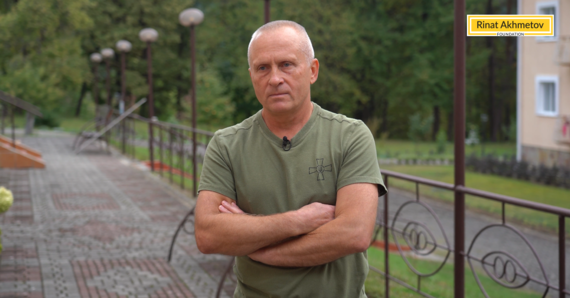
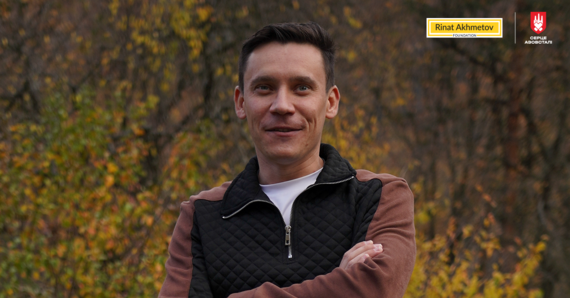
Volodymyr Lifar worked at Azovstal for almost 30 years. At the age of 54, following the start of the full-scale invasion, he voluntarily went to the military enlistment office and joined the defense of his native Mariupol. He suffered a concussion during the fighting, but it was russian captivity that most severely affected his health. He spent three years in captivity. Recently, the defender underwent a rehabilitation course with the support of the Rinat Akhmetov Foundation.
“I am very grateful to the Foundation for helping veterans, the Heart of Azovstal, and the employees who help us. We stay in touch with them, and they inform us about the programs. Thank you for that,” the defender says.
In Mariupol, Volodymyr and his fellow soldiers helped evacuate civilians from the territory of Azovstal. At the end of April, about 60 people were evacuated through the plant. On May 19, he left the plant and was taken into russian captivity. He was initially held in Olenivka and was later transferred to a penal colony in Luhansk.
After returning from captivity, Volodymyr needed special attention: he had sleep problems, back pain, and psychological consequences of what he had experienced. During this time, his life outside captivity also changed. The family’s home in Mariupol was completely destroyed, while his wife and relatives left for Europe. Volodymyr himself now lives in Kyiv and rents accommodation; he does not want to leave Ukraine.
“My family spent two months in basements, and they suffered a lot as well. My house was destroyed. Our neighbors sent us photographs. There was nothing left of our home. We had a three-room apartment,” the defender recalls.
During rehabilitation, Volodymyr is undergoing comprehensive recovery: he visits the swimming pool, takes therapeutic baths, and also undergoes physiotherapy and massage. The defender says that by setting an example himself, he wants to show his fellow soldiers that it is important to take care of their health and, when necessary, not hesitate to seek help.
“I tell my fellow soldiers, as well as former prisoners of war and friends who were in Mariupol: there are programs, come and get help – it works. I also send them photographs from my own experience, as well as various press releases, and keep them informed,” Volodymyr says.
A trip to Drahobrat became a separate part of his recovery. Together with other veterans, Volodymyr went hiking in the mountains, practiced yoga, rode horses, and worked with psychologists. He says it was important for him to feel part of a team again.
According to Oksana Fridmanska, a therapist at the sanatorium, the number of people experiencing the consequences of combat injuries has increased significantly since the start of the full-scale war. An individual program is selected for each patient to help reduce pain, improve mobility, and restore the functioning of the musculoskeletal system.
“The approach to each patient is individual because injuries vary. They also receive psychological support. Rehabilitation specialists work with those affected to help restore the functioning of the musculoskeletal system, reduce muscle spasticity, increase range of motion, and reduce pain in the joints and back. After this, of course, a person feels better and feels needed in our society,” the doctor notes.
As part of the Treatment and Rehabilitation of Wounded Adults project, the Rinat Akhmetov Foundation supports civilians in Ukraine who have been affected by shelling. Since the project began, more than 11,000 Ukrainians have already received treatment and rehabilitation.
If you or someone you know needs help, message the Foundation at http://m.me/AkhmetovFDU or call the toll-free hotline at 0 800 509 001 (the line operates Monday through Friday).