
Heart of Azovstal
About the Project
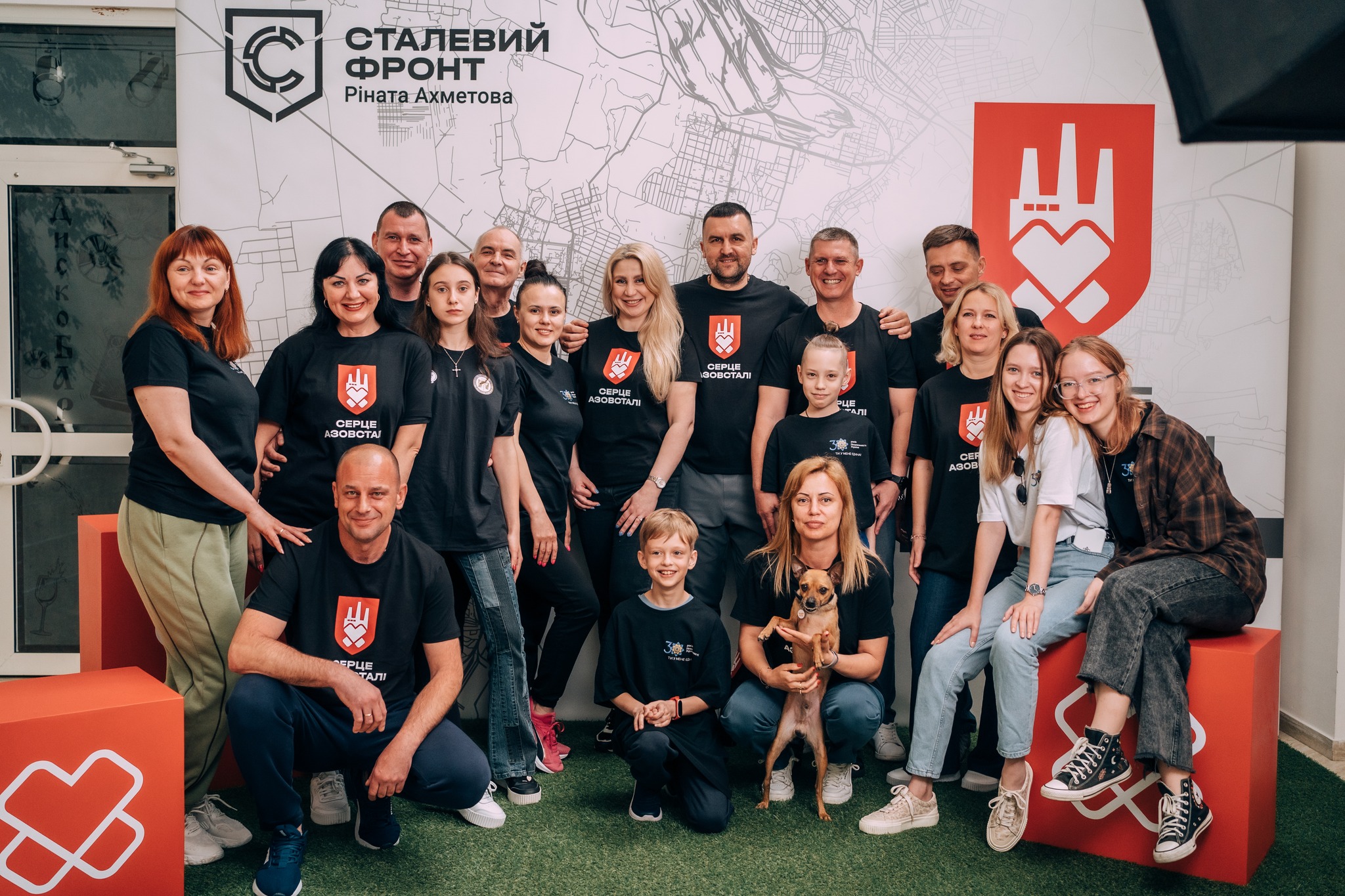
Heart of Azovstal is a unique project in Ukraine providing systematic support to the defenders of Mariupol and their families, established at the initiative of Rinat Akhmetov.
Since 2023, Rinat Akhmetov has allocated UAH 2.2 billion to support the defenders of Mariupol. During this time, the Project has supported more than 8,000 defenders of Mariupol, either directly or through their family members, and has united more than 2,500 defenders and their loved ones into the Heart of Azovstal community.
The Project’s mission is not only to help veterans recover after war and captivity, but also to create conditions for their full reintegration, self-realization, and a new chapter in life.
History of the Project
The defense of Mariupol became one of the most heroic chapters in modern Ukrainian history. Approximately 14,000 Ukrainian service members held off vastly superior invading forces for 86 days, including 82 days under complete encirclement.
On 16-20 May 2022, following an order from Ukraine’s senior military leadership, the defenders left the territory of Azovstal Metallurgical Combine and entered captivity.
During the defense of Mariupol, Rinat Akhmetov maintained constant communication with commander of the Azov Regiment Denys Prokopenko (Redis). On the final day of the defense, just minutes before entering captivity, Rinat Akhmetov asked how he could help. In response, he heard a request that became the foundation of the future project:
“I said: ‘Denys, what can I do for you, what can I do for your guys?’ He replied: ‘Please don’t worry about me, please take care of my people.’ He understood that captivity awaited him, yet he did not ask for any personal privileges. That is how the Heart of Azovstal project came into being, supporting the defenders of Mariupol and their families. I promised to help these guys, and I will do everything possible to fulfil that promise,” said Rinat Akhmetov.
On 16 February 2023, in fulfilment of this promise, Rinat Akhmetov founded the Heart of Azovstal project, which provides systematic support to the defenders of Mariupol and their families.
Systematic Support for Veterans
Heart of Azovstal has created a comprehensive support model that accompanies veterans throughout their entire journey back to civilian life, from the period of awaiting release from captivity to full self-realization.
This journey begins while the defender is still in captivity: the team works with their family, helping them prepare for their loved one's return.
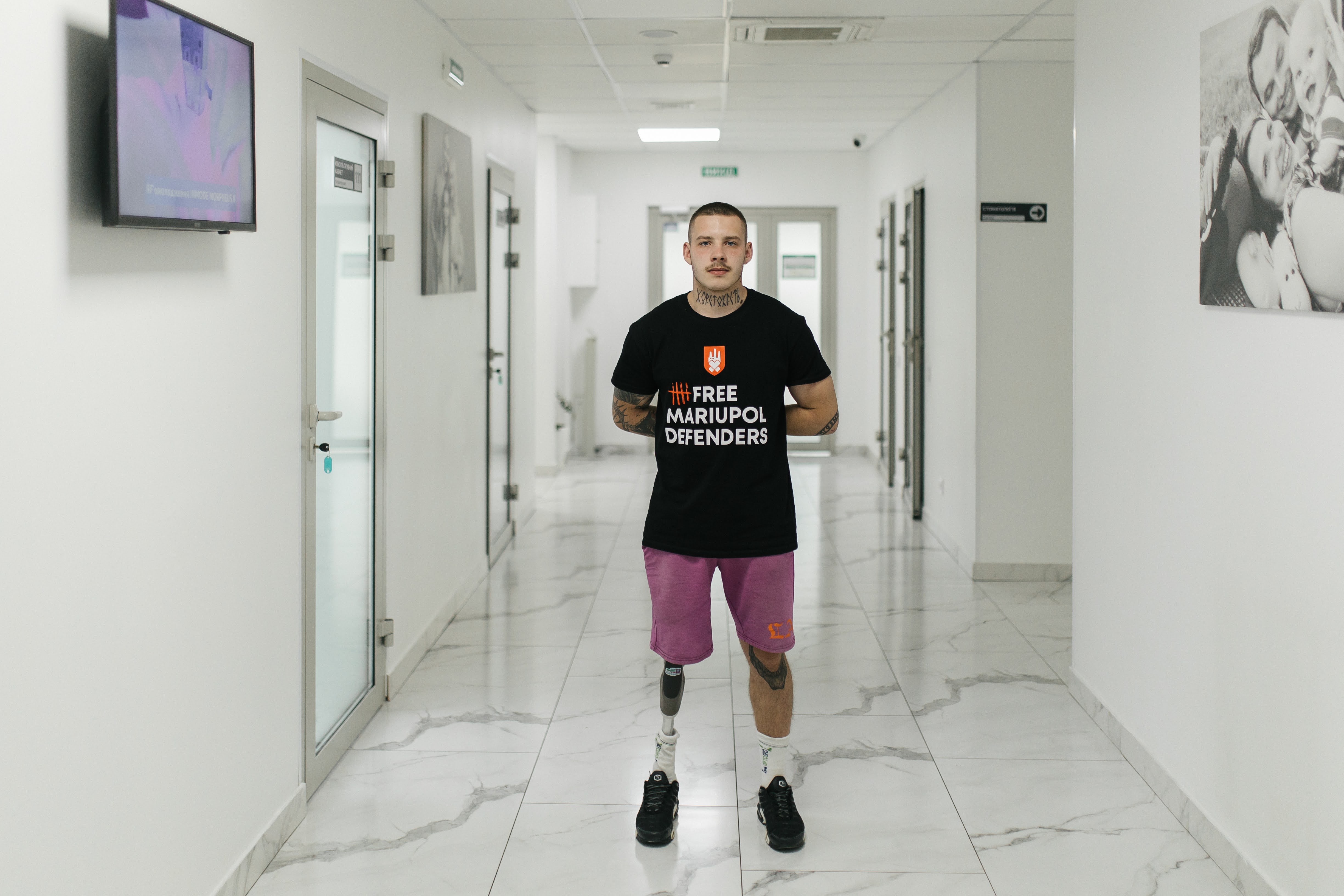
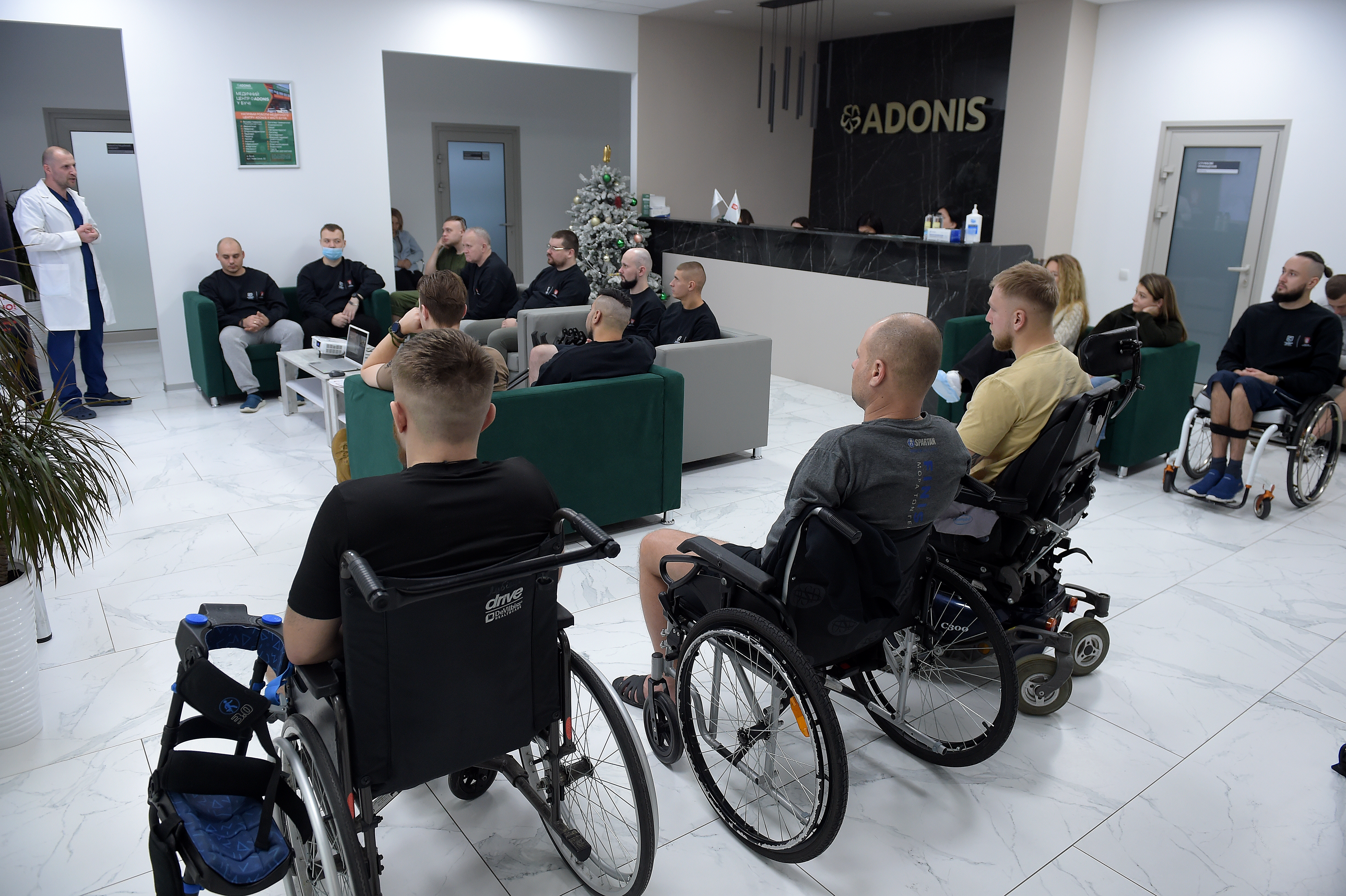
Following the veteran’s release, the Project provides essential initial assistance, medical treatment, physical and psychological rehabilitation, and helps restore documents and return to daily life.
The next stage is self-determination. Together with post-traumatic growth coaches and career advisors, veterans reframe their experience, set new goals, and define their future professional path.
The Project also assists with education, retraining, employment, and, most importantly, provides long-term guidance through a veteran community built on the principle of peer-to-peer support.
Post-Traumatic Growth
Post-traumatic growth (PTG) lies at the heart of the entire Heart of Azovstal support model.
Unlike traditional approaches that seek to return a person to the state they were in “before the trauma”, post-traumatic growth helps integrate the lived experience into one’s life and transform it into a resource for development.
The PTG model implemented by the Heart of Azovstal project is based on international best practices, particularly the experience of the U.S. organization Boulder Crest, but adapted to the realities of war in Ukraine.
A key feature of the project is the peer-to-peer principle. Some of the defenders of Mariupol. who have gone through the recovery process themselves have become post-traumatic growth coaches, helping their fellow service members find new meaning, overcome the effects of traumatic experience, and build a future.
With the Project’s support, 10 defenders of Mariupol have already become certified post-traumatic growth coaches.
The Project actively works to make the post-traumatic growth model a new standard of support for war-affected Ukrainians, both veterans and civilians.
Advocacy and the Return of Prisoners of War
One of the Project’s key areas of work is advocating for the return of prisoners of war.
Despite numerous exchanges, approximately 2,000 defenders of Mariupol remain in Russian captivity and represent the most challenging category for exchanges.
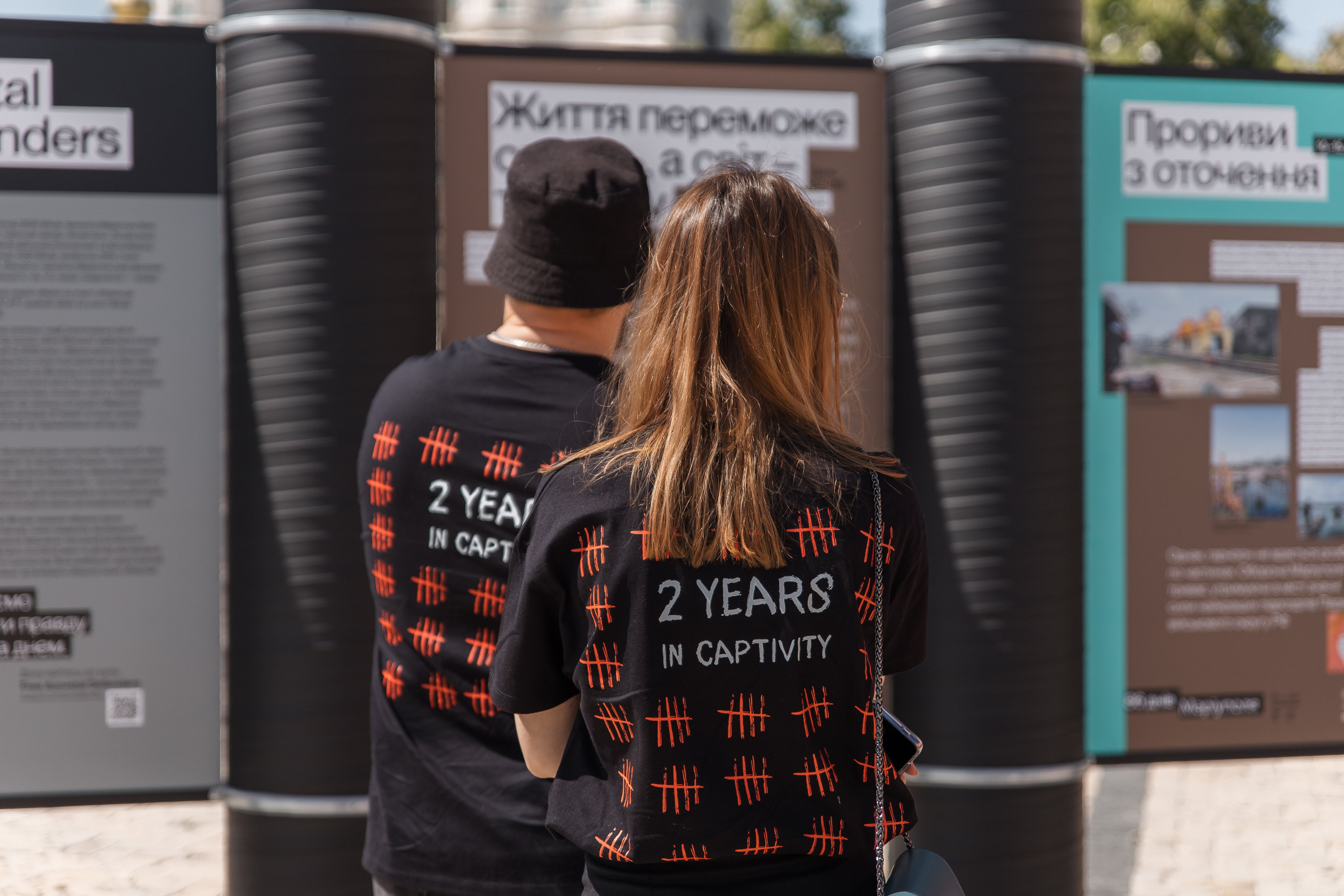
To maintain the international community’s focus on this issue, Heart of Azovstal carries out large-scale advocacy campaigns, Free Mariupol Defenders and Still in Captivity, held both in Ukraine and abroad.
Over three years, the project team has conducted more than 40 advocacy events across various countries, drawing the attention of international organizations, diplomats, politicians, media, and the public to the urgent need to release the defenders.
“86 Days of Mariupol: The Chronicle of the Defense”
A distinct area of the Project's activities is preserving the historical memory of the defense of Mariupol.
“86 Days of Mariupol: The Chronicle of the Defense” is the first day-by-day military chronicle of the city’s defense in Ukraine verified by the military and compiled from the firsthand testimonies from the defenders.
The author of the chronicle is a Mariupol journalist known by the handle Sector Mariupol, whose identity is withheld for security reasons. He gathered a vast body of data recounting the events during the battles in the city, all of which required verification. Therefore, the teams of Infosprotyv and the National Museum of the History of Ukraine, and the military personnel of the Mariupol garrison themselves became co-authors.
The Project documents the events of each day of the defense of Mariupol, collecting and systematizing the defenders’ testimonies to help preserve the truth about one of the most significant battles in modern Ukrainian history.
In addition to the digital platform, the Project has produced a poster collection and a mobile exhibition to raise awareness of Mariupol both in Ukraine and internationally.