The road from evacuation to motherhood: Kateryna Kapustenko shared her story with the Museum of Civilian Voices founded by the Rinat Akhmetov Foundation
17.08.2026
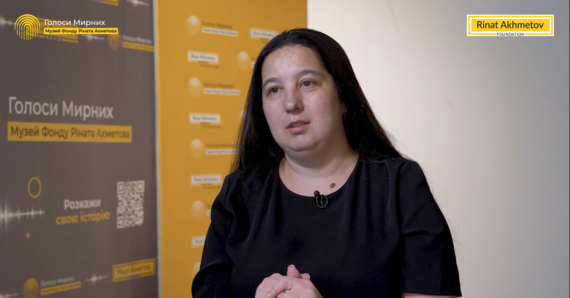
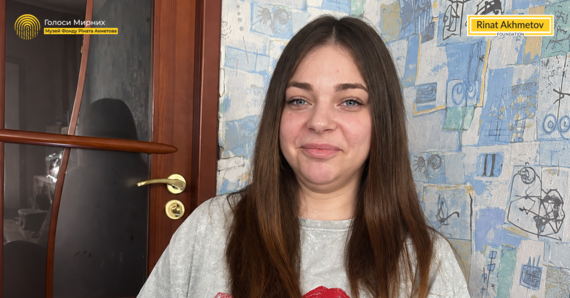
Kateryna Kapustenko travelled to Poland to help Ukrainian children fleeing the war, but there she met the girls who would become her future daughters. Anastasiia and Kseniia had been removed from their biological family. Due to issues with their documents, they lived in a shelter for a long time, and after the outbreak of the full-scale war they were evacuated to Poland. It was there that the sisters’ paths crossed with Kateryna’s. In time, the girls began calling her mum. The woman shared her story with the Museum of Civilian Voices founded by the Rinat Akhmetov Foundation.
Kateryna is a music teacher from Kharkiv. At the beginning of the full-scale war, she helped evacuate people. Later, she moved to Poland and worked with Ukrainian children from residential care institutions. There, she saw how deep the trauma was among children left without parental care and joined the effort to establish a Ukrainian school for them.
“We saw teenagers who could not read, write, or even understand Ukrainian properly. That was when we realised we had to create a school. We managed to open a Ukrainian school right inside the hotel,” Kateryna says.
Meeting the two sisters from the Odesa region proved to be a life-changing moment for the woman. She admits that, in her heart, she immediately felt they were her children.
“Literally in the second week, my Ksiusha came up to me, hugged me, and said: ‘Will you be my mum?’” the woman recalls.
After those words, there were no doubts left. Kateryna decided to do everything she could to adopt the girls. However, the road to adoption was far from easy. She was an internally displaced person, had no home of her own, and the adoption procedure during the war turned out to be extremely complicated.
“At that time, I was in Warsaw, I had nowhere to live, and there was no way I could take them. On top of that, it was 2023. I asked their carer how I could make it all happen, and she told me that adoptions were prohibited until the end of the war. That was a moment of real despair because, you see, one year, two years, three years pass, and there is nothing you can do,” she recalls.
Later, Kateryna learned that the girls were being prepared for placement with another family. It seemed as though fate had already decided everything for them. But the woman refused to give up. She travelled to Odesa and began fighting for the right to become the sisters’ mum.
“As soon as I saw her, I realised: she was determined, kind, wonderful, and cheerful. I wanted to spend more time with her. At first, we couldn’t openly say “mum” or address each other so naturally – we were still learning. But now I’m used to it. She’s my mum,” says Kseniia.
Today, Kateryna shares her story to support those who are considering adoption. She is convinced that people should not be afraid of complicated procedures and bureaucratic obstacles. The most important thing is to listen to your heart and do everything possible to ensure that a child who has been left without parental care finds a family.
Watch the story of Kateryna and her daughters here: https://bit.ly/4wymrP5
Kateryna is a music teacher from Kharkiv. At the beginning of the full-scale war, she helped evacuate people. Later, she moved to Poland and worked with Ukrainian children from residential care institutions. There, she saw how deep the trauma was among children left without parental care and joined the effort to establish a Ukrainian school for them.
“We saw teenagers who could not read, write, or even understand Ukrainian properly. That was when we realised we had to create a school. We managed to open a Ukrainian school right inside the hotel,” Kateryna says.
Meeting the two sisters from the Odesa region proved to be a life-changing moment for the woman. She admits that, in her heart, she immediately felt they were her children.
“Literally in the second week, my Ksiusha came up to me, hugged me, and said: ‘Will you be my mum?’” the woman recalls.
After those words, there were no doubts left. Kateryna decided to do everything she could to adopt the girls. However, the road to adoption was far from easy. She was an internally displaced person, had no home of her own, and the adoption procedure during the war turned out to be extremely complicated.
“At that time, I was in Warsaw, I had nowhere to live, and there was no way I could take them. On top of that, it was 2023. I asked their carer how I could make it all happen, and she told me that adoptions were prohibited until the end of the war. That was a moment of real despair because, you see, one year, two years, three years pass, and there is nothing you can do,” she recalls.
Later, Kateryna learned that the girls were being prepared for placement with another family. It seemed as though fate had already decided everything for them. But the woman refused to give up. She travelled to Odesa and began fighting for the right to become the sisters’ mum.
“As soon as I saw her, I realised: she was determined, kind, wonderful, and cheerful. I wanted to spend more time with her. At first, we couldn’t openly say “mum” or address each other so naturally – we were still learning. But now I’m used to it. She’s my mum,” says Kseniia.
Today, Kateryna shares her story to support those who are considering adoption. She is convinced that people should not be afraid of complicated procedures and bureaucratic obstacles. The most important thing is to listen to your heart and do everything possible to ensure that a child who has been left without parental care finds a family.
Watch the story of Kateryna and her daughters here: https://bit.ly/4wymrP5
The collection of Museum of Civilian Voices founded by the Rinat Akhmetov Foundation now contains more than 145,000 stories about the war. It is the world’s largest collection of testimonies from civilians affected by russia’s war against Ukraine.